To use multimedia and interactivity learners must be equipped with modern devices that enable to display the content. In addition, it must be possible to work with this content, which includes not only viewing and reading but also saving, changing or creating new content.
The extent to which these activities are carried out often depends on the type of training. Language learning, for example, might be structured differently than learning scientific content.
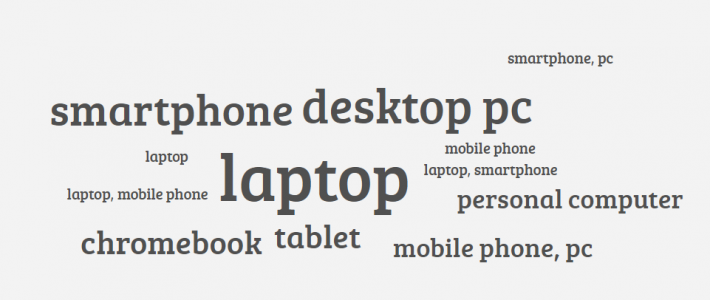
The first step in our project is to get an overview about the used devices in modern, technology-enhanced learning. Therefore, we did a small survey among trainers, friends and former or current project partners.
You still may contribute to the brainstorming survey. Use the QR-Code and enter your prefered device in this AnswerGarden form.
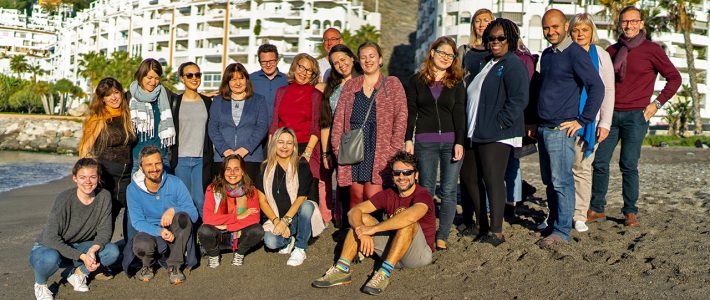
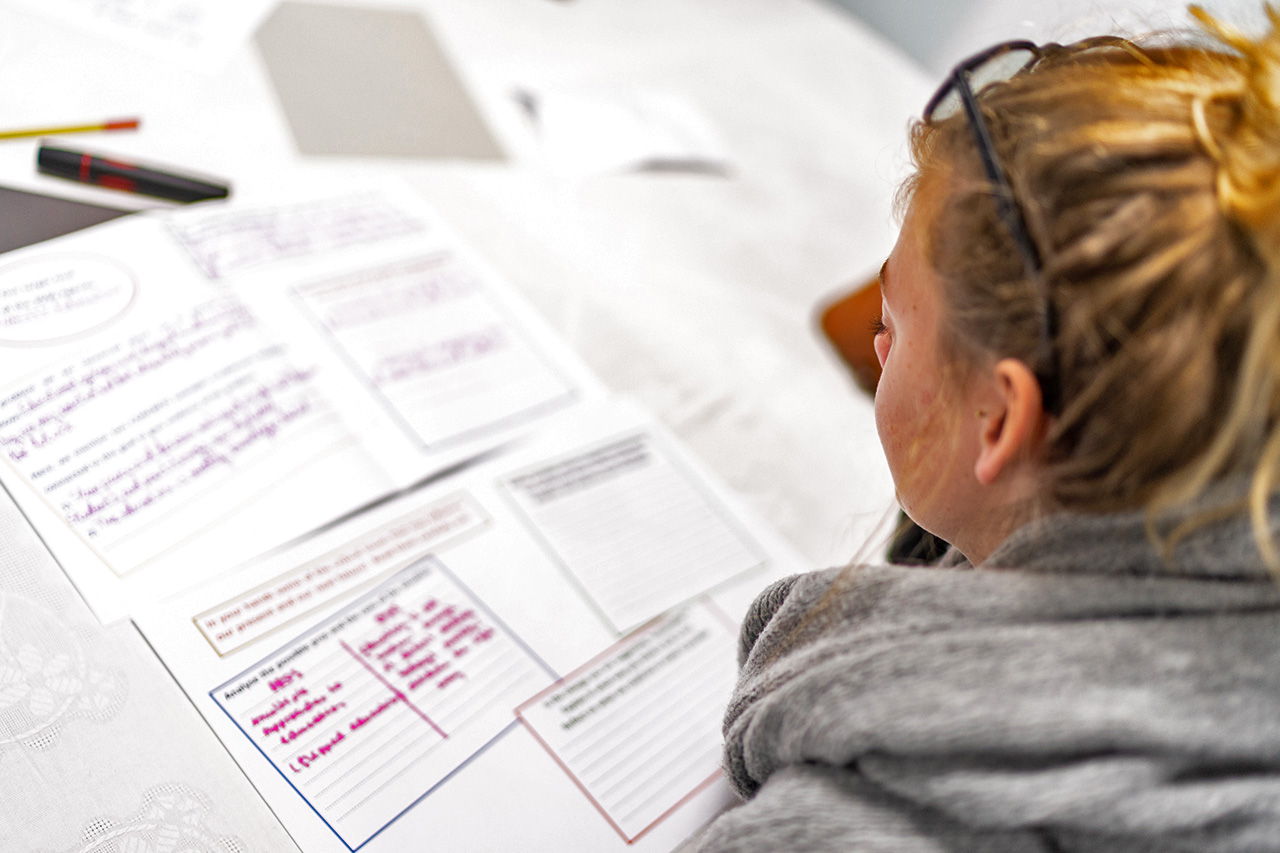
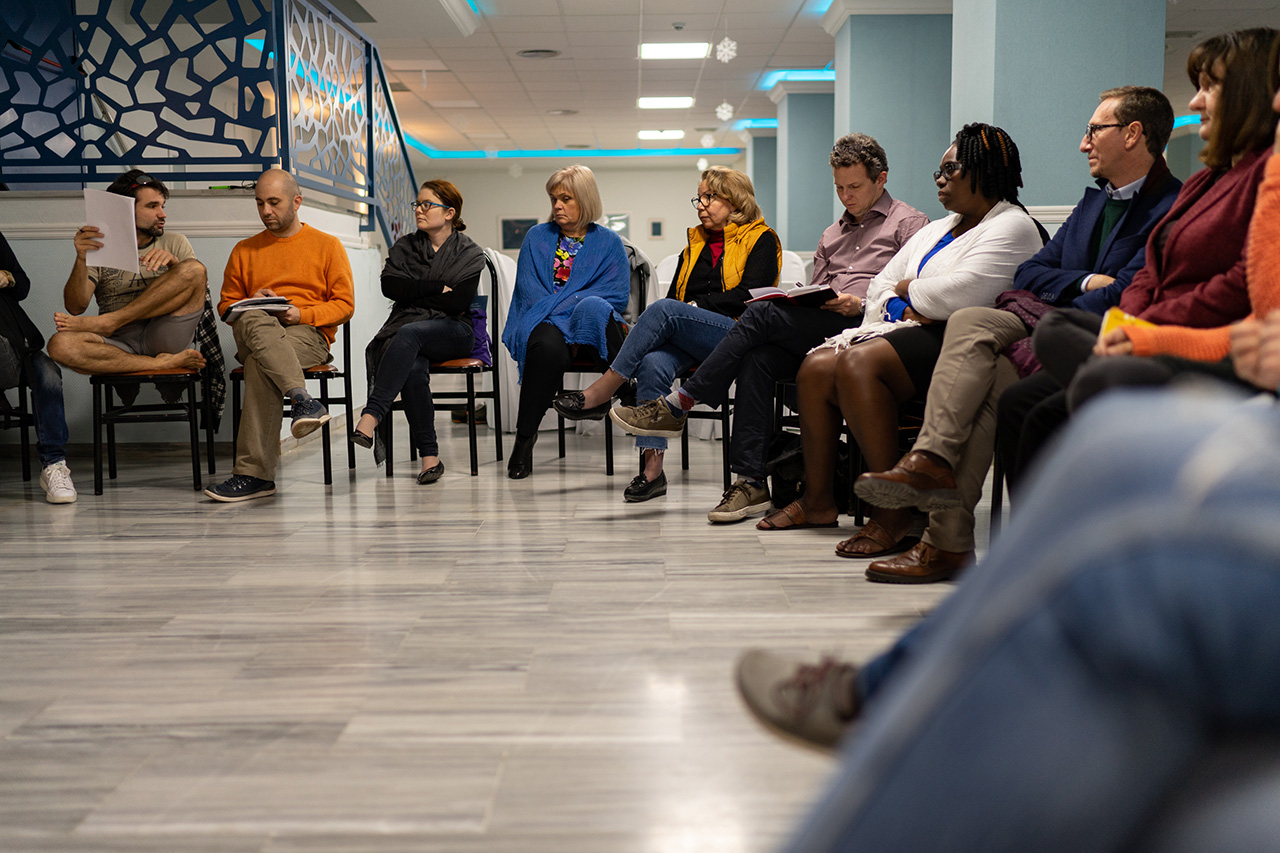
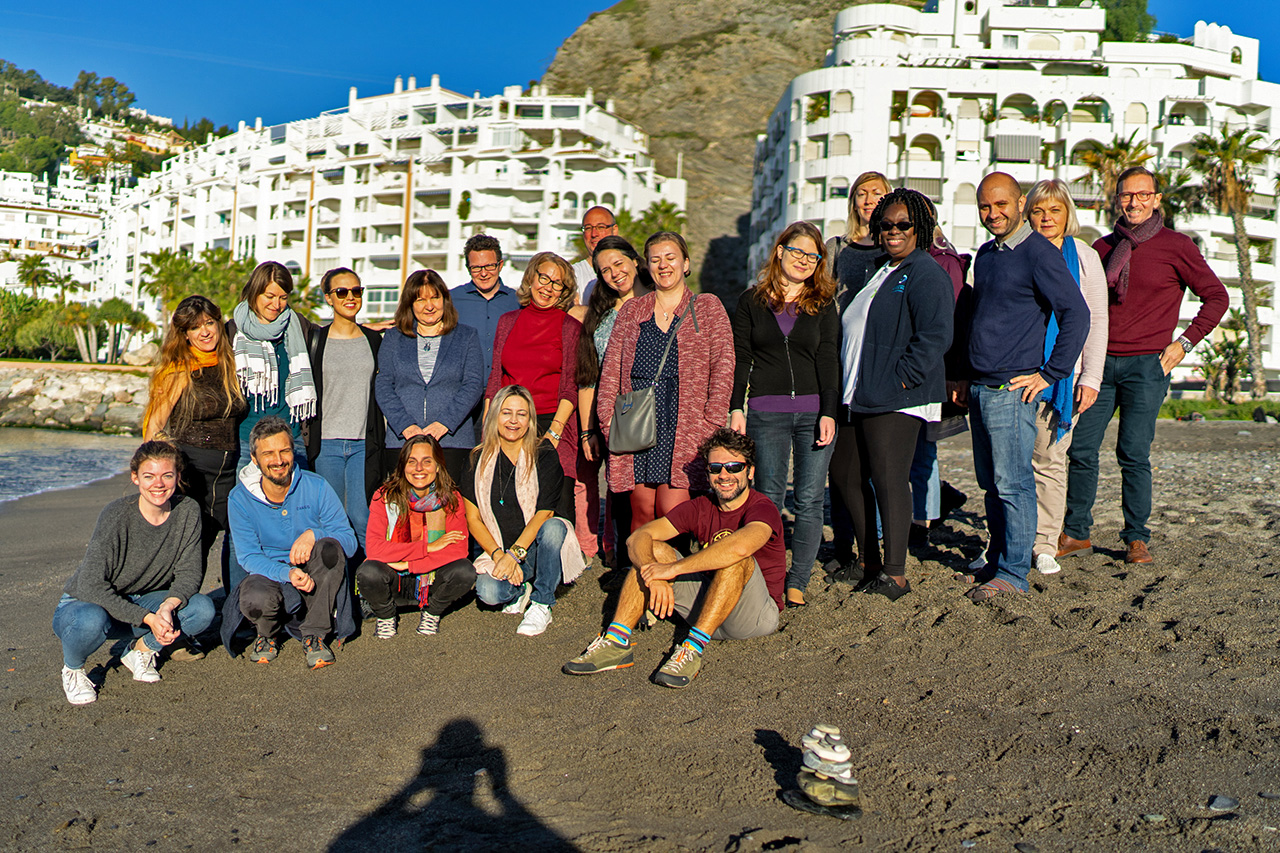
Stefanie Mayrwöger attended the SEMIFIT Seminar for intercultural trainers, on Project Design under Erasmus+, from 1st to 6th of December 2018 in Almuñécar, Spain. The week was structured in panel discussions, presentations and workshops, which were all designed and held by the participants. During the seminar all participants found themselves in different roles, such as documentarists, speakers, workshop leaders and marketers. Tools and methods were shown, projects presented, and ideas shared. The aim of the seminar was to create an open space for youth trainers, learning designers and educators to talk about difficulties, tips and ways to improve their skills in project design and management of (inter)national projects.
Here is a video from the event (produced by Steffi)
The variety of topics, that were covered and discussed, was extensive. Therefore, workshops took place, in which the group focused on difficulties in international projects, active learning through games, and how to calculate important factors in project management. In several presentations certain project management methods, successfully designed projects, and the work with open source and free licences were showed. Also, panellists talked about the topic of managing projects including groups with different or difficult social backgrounds. All in all, it was a very enriching week with a big amount of useful knowledge and interesting minds.
Here are some impressions from the work and the working environment.
The EBI/EIE is partner in a new ERASMUS+ project
where the EBI/EIE has written the application.The project aims to develop and
evaluate multimedia based teaching material using the innovative “Analogous
Compare and Transfer” Method (acronym ACAT) approach to teach science subjects,
namely physics, biology and chemistry. The ACAT method is a methodology
concerted on the pattern of thinking of girls enhancing the well-known logical
paths boys are using normally and supports the learning of boys as well.
A study from 2017 proofs the acceptance of
the pedagogical approach and confirms the usability with an evident preference
of female students. In general, the students appreciate the method with higher
approval of the female learners. In the same way, the female learners show a
stronger agreement to the use of multimedia material, specifically using the
described method and to enable the transfer from everyday life images to
scientific imagination and clear ideas dealing with the currently discussed
problem.
Project Objectives
The objectives are
Use of an “image-based teaching system” which favours the scientific learning
behaviour of (approx. 70 % of) girls with a good learning success for boys as
well
Developing multimedia-based and/or interactive
examples of best practice (called tools in this application) focusing on physics (for example quantum physics), biology (for example virtual
dissections) and chemistry
(comprehending chirality utilizing VR-technology).
Use a self-evaluation model for students to estimate their increase of
competences
Evaluation of these examples in
several schools (transnational)
Development of a transferability guide for teachers
Publishing of the created and
evaluated material as OERs
The project starts with December 2018 and
lasts for two years.
The applicant organisation is the Colegio Internacional Costa Adeje (Spain), partners are Dragonskolan (Sweden), the Europäische Bildungsinitiative (Austria) and the Dublin Dun Laoghaire Educationand Training Board (Ireland).
This is the acronym for the “Analogous Comparison and Transfer” Method. This pedagogical approach to teaching STEM subjects was developed by Peter Mazohl (EBI/EIE Austria) and published at the ICERI 2017 (International Conference for Education, Research, and Innovation in Seville).
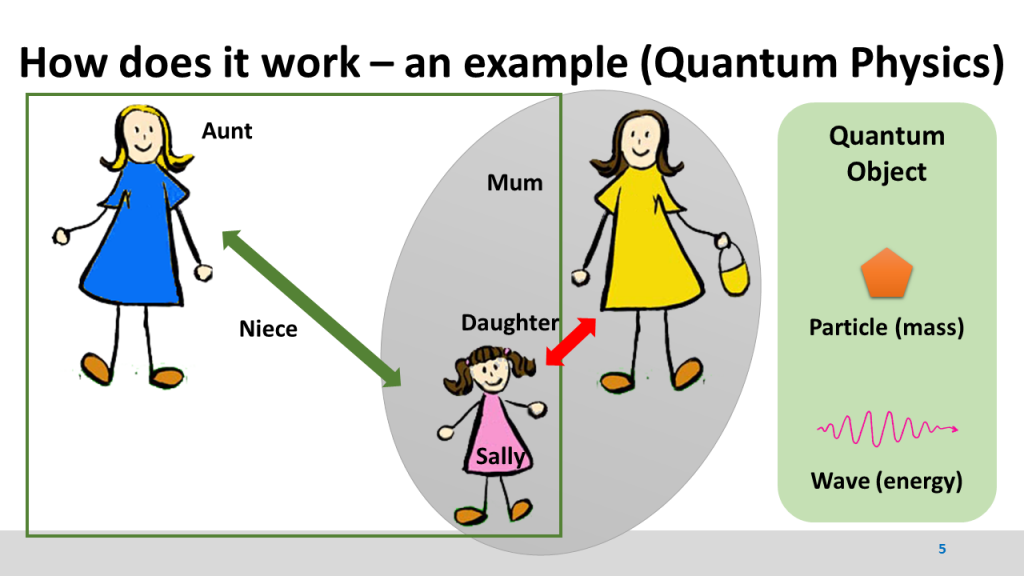
An example for the ACAD transfer in Quantum Physics (What are quantum objects?)
This method
means a new pedagogical approach to strengthen female learners in STEM
subjects. The method was developed in School Education and focuses on the age
of 16 to 18 years old students. The method uses analogous comparisons by taking
examples or situations from everyday life and in consequence the logical or
analogous transfer to the scientific problem. The method uses the development
of imaginations or “pictures in the head” to develop a view of the analogy;
this picture is transferred as a problem-solving idea to the concrete
scientific problem. Multimedia material like animations are used to provide a
higher level of imagination and to develop the understanding for the discussed
problem. The method was developed in the disciplines physics, mathematics and
computer science and was tested in physics at high school level.
It turned
out that male learners also benefit from this approach and get a deeper
understanding in the fields of science.
To proof
the ACAT method and to test the usability and get some reference to the
published study an ERASMUS+ KA2 School Project was started (with December
2018). The project’s outcomes will be several examples of the implementation of
the ACAT method, tested and evaluated in a Spanish, an Irish, and finally in a
Swedish school.
The EBI/EIE (Austria) is partner in a new project “Enhancing Digital Competence through Photography” about digital competences. The project partners come from Spain, Greece, and Portugal. The official coordinator is the University of Stockholm, Sweden. The application has been written by Peter Mazohl (from the EBI/EIE) with peer reviewing of Harko Verhagen from the University of Stockholm.
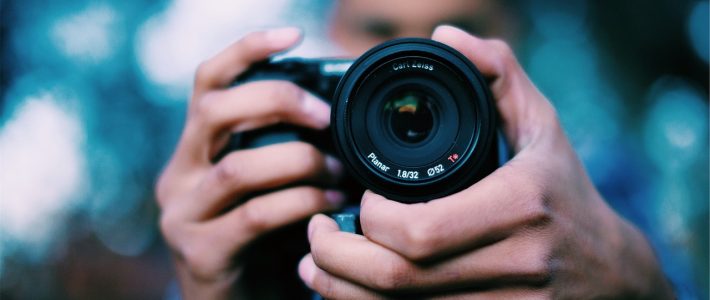
Digital Photograpy is closely connected with Digital Competences
The objectives of this project are to develop and implement special courses for adults teaching Digital Competences by Photography. Learners learn to take digital images of certain quality, to develop digital competences (using the DigComp 2.0 framework[1]), editing images, use of images in medias and other related competences. A photo contest will be used to motivate learners (and other adults) to submit their photos; these images will be published in the European Cultural Heritage Database.
This approach of teaching digital competences is new: There are elements of project-based learning in combination with Blended Learning. The training method behind is active and group-based learning.
In the project, different types of adults are going to be targeted: younger adults (to increase their digital competences and to give them better chances on the working market), older adults (to prevent the exclusion of society due to missing digital competences) and disadvantaged people living on remote places (for example Greek islands).
The developed courses will provide the (more or less) same content und use the identical pedagogical approach, but be developed, implemented, performed and evaluated to the specific target groups.
One of the aims of the project is to organize an European Photo Contest (out of the participating partners and their trainees) to collect images showing “European Heritage”. This contest will be open for all Europeans and be a means of dissemination of the project.
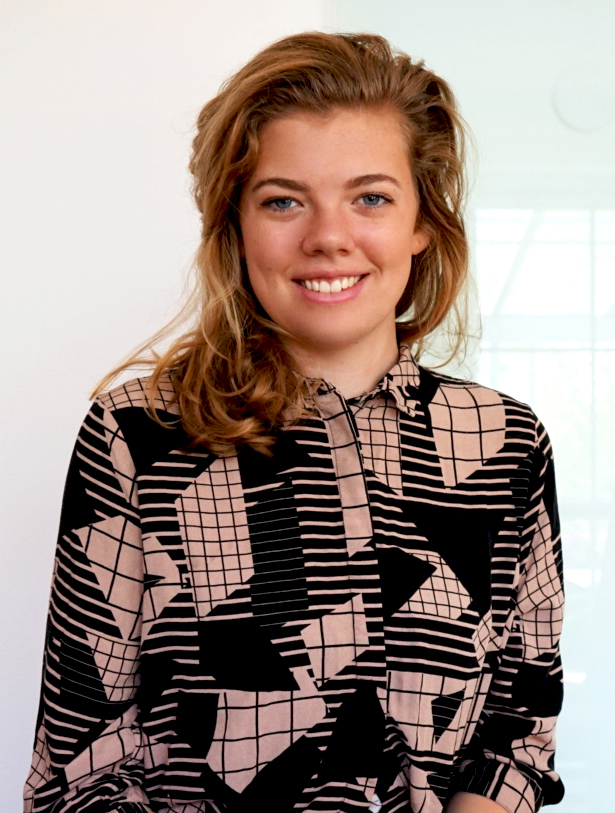
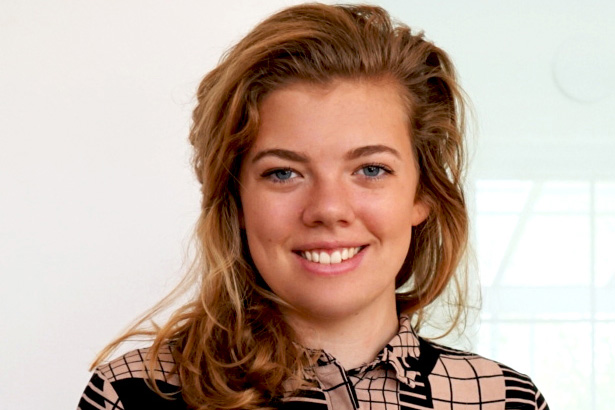
We proudly present our new head of the technical department!
Stefanie just finished her Bachelor studies (BSc) in Media Technology with focus on Interactive Media at the St. Pölten University of Applied Sciences. During her studies, she lived in The Hague, The Netherlands for one semester where she studied Photography and Internet Marketing.
In the last two years, she participated in the LeaD in Practice blended-learning project for which she also traveled to Athens, Greece and took part in the STEPS Education Practitioners Seminar in Potsdam, Germany.
Stefanie started her Master studies in Digital Design & Graphic Design in September and will attend the 3rd ASEF Young Leaders Summit on Ethical Leadership in October in Belgium, Brussels.
Stefanie will be responsible for technical production of intellectual outputs and the technical background for the learning platform. She also is engaged in interface development in the frame of EBI’s project involvement.
The EBI is partner in the Youth Project Seminar for intercultural trainers in HRE. The EBI/EIE is mainly focusing on the 50+ generation in Adult Education. Participating in this project we have the chance to educate our younger trainers to work with international youth groups and younger adults. Two of our trainers, Stefanie Mayrwöger and Kathrin Zehrfuchs, will be in charche to cover this target group.
SemiFit in HRE is an example of Peer and Lifelong Learning where educational practitioners have the chance to share their competencies and experiences and learn new concepts from peers. In SemiFit, every participant is actively involved in the preparation and design of the learning space: content and flow. The project is linked to key European youth policy developments where non-formal educational youth work needs to be better connect. Additional the project also brings in its expertise: upcoming European Youth convention III in 2020, COE rec on Youth work, European Training Strategy for YW, the development of a European Charta on Youth work, the further development of the European Youth Strategy, but also reference cooperations such as “becoming a part of Europe”, “Youth for Human Rights” all indicate youth issues become more political. Such there is a need to foster strategically the processes of capacity development of EDC/HRE work in the field of youth, as in the recent years barriers in a lot of European countries have become higher.
Stefanie Mayrwöger from the EBI/EIE will participate at the training event organized in Almuñécar, Spain (Málaga area) from 1 to 6 December 2018.
The EBI/EIE signed a cooperation contract with the Flipped Learning Global Initiative (USA) for the new project about Flipped Adult Education.
The FLG will impact to the project and provide a “supervision” on the developed handbook for Flipped Learning. The special role of the FLG in the project will be
Be an associate partner to the project
Provide tactical and strategic-planning support and guidance
Participate in the initial project partners planning-session in Vienna
Review the final project outcomes before publication
Jon Bergmann and Errol Smith wil be personally involved in the development of the project’s results. The impact from the FLG and the knowledge collected by the pioneers of flipped learning will enrich the project and care for high-level results.