project CICERO

European Cultural Heritage Database
European Cultural Heritage Database

The EBI/EIE is partner in the CICERO Erasmus+ Project 2018-1-SE01-KA204-039051. Currently the EBI/EIE team is develloping IO #2, the ECH Database.

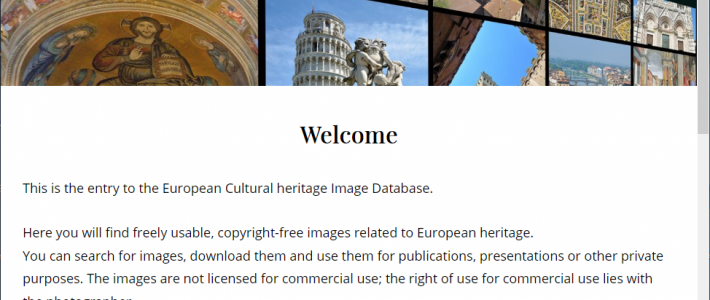
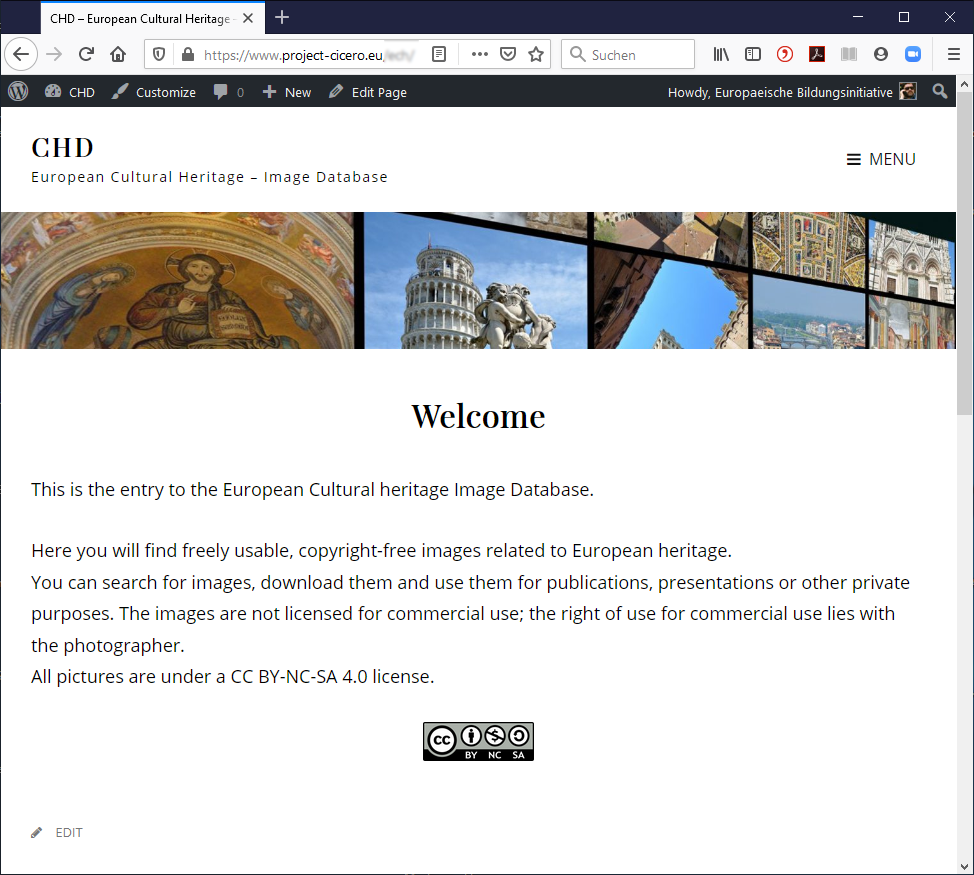
This is the first screen shot of the webpage hosting the database of the “European Cultural Heritage Image Database”.

This  is an outcome of the CICERO project and will offer CC-4.0 licensed pictures of typical European Heritage. The images are free to use (except for commercial use) and will cover various topics representing the treasure of European Culture.


The European Commission describes European Cultural Heritage as

“… a rich and diverse mosaic of cultural and creative expressions, an inheritance from previous generations of Europeans and a legacy for those to come.

It includes natural, built and archaeological sites, museums, monuments, artworks, historic cities, literary, musical and audiovisual works, and the knowledge, practices and traditions of European citizens.

Cultural heritage enriches the individual lives of citizens, is a driving force for the cultural and creative sectors, and plays a role in creating and enhancing Europe’s social capital. It is also an important resource for economic growth, employment and social cohesion, offering the potential to revitalise urban and rural areas and promote sustainable tourism.”

Images for this database are taken from the upcoming photo contest that will take place in the frame of the project as well.



CICERO

Project Aim

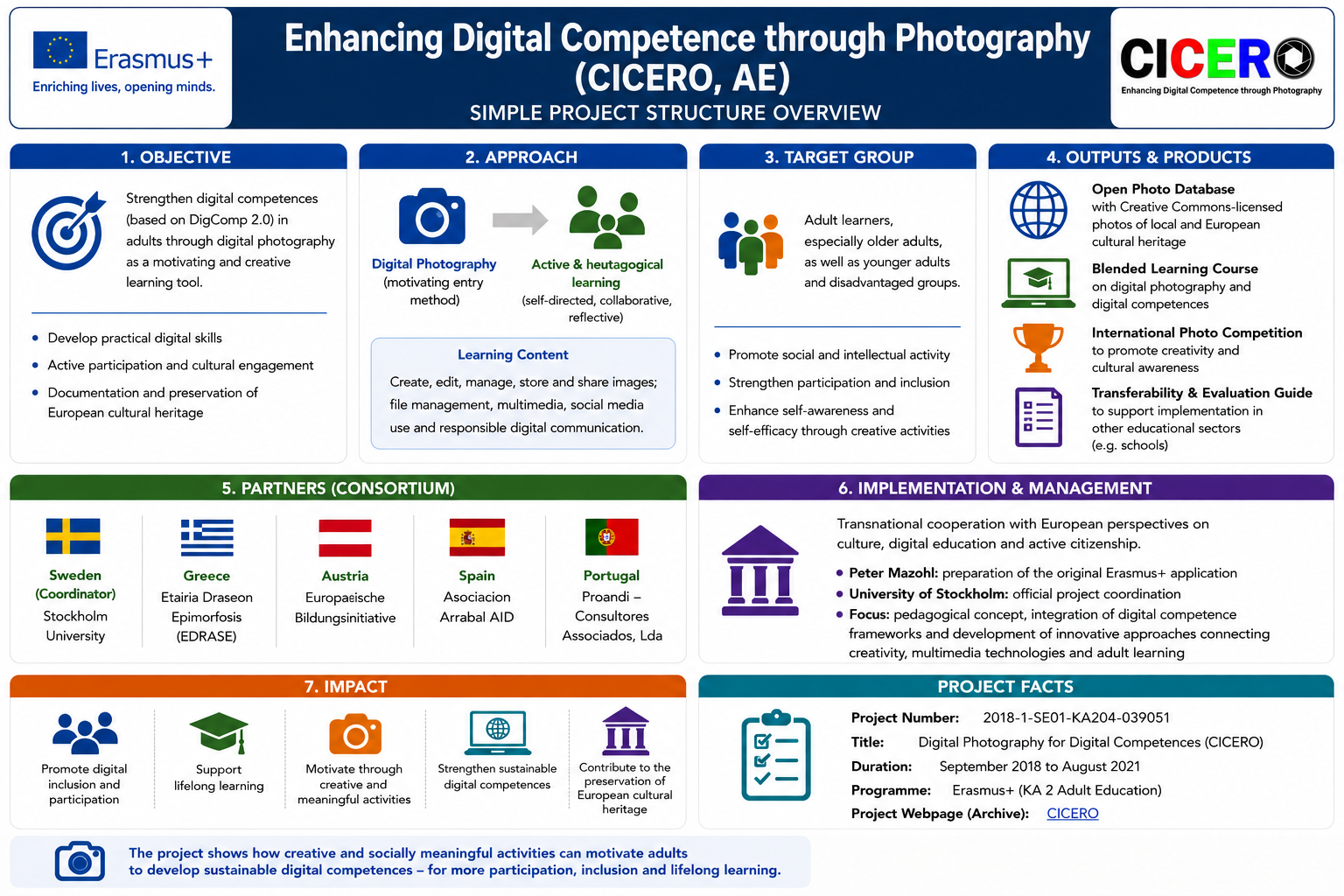
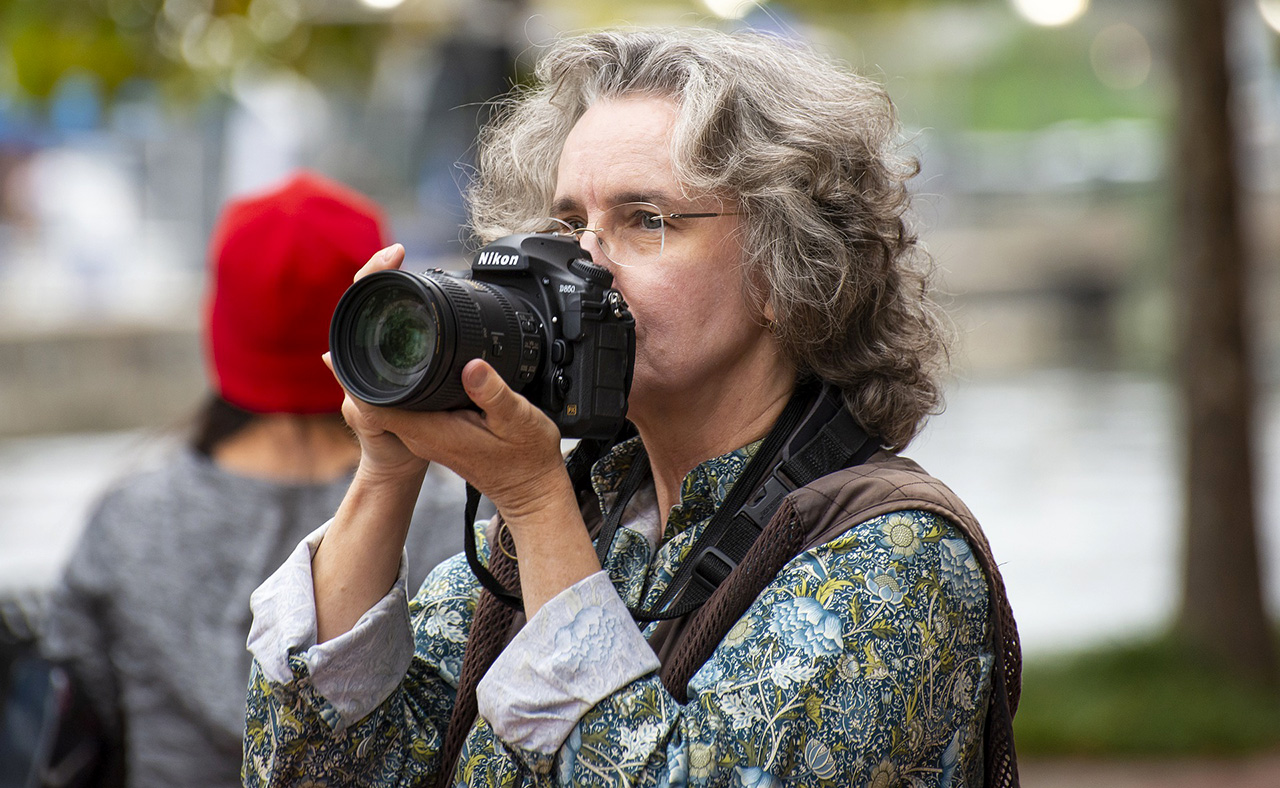
Cicero LogoThe project aims to develop digital competences in the group of adults using digital photography as the engine of motivation and to give an impact to social, cultural, and family life. Additional, taken pictures focusing on European Heritage are collected in a free to- use database to contribute to the year of European Cultural Heritage 2018.

Objectives

Hint: The Digital Competence Framework 2.0 created in 2017 (in this document abbreviated as DCF-2.0 followed by the reference number) will be used as a reference.
The objectives are

  • Learn to take digital images of certain quality by the addressed target group and to learn how to process them to enhance image quality in a Blended Learning setting
  • Develop digital competences (like file administration, use of computers and digital devices, DCF-2.0 #1) to administrate the images
  • Use the images for social media, for family reasons, contribute to document local cultural heritage (DCF-2.0 #3), and contribute to the database
  • Give adult learners the experience of active training, a heutagogical approach, to learn self evaluation and to give collegial peer feedback
  • Impact to social life, keep the people active (in the physical sense and on an intellectual level) and keep them integrated as valuable members in society based on the mentioned activities. This will also mean inclusion, namely of people disadvantaged in society.
  • Create and execute a course for Adults, teaching the target group the mentioned competences
  • Create an international photography contest as a means of dissemination and sustainability and to establish it as a European institution as a contribution to the year of “European Cultural Heritage”
  • Create a collection of CC-licensed images as an Open Source to the “European Heritage”
  • Create a transferability and evaluation guide to transfer the created course and other items to other fields of education (focus on School Education)
CICERO-Project structure and summary
The CICERO-Project structure and summary. The project’s webpage is available as an archive.

View Page

Project Overview

  • Project Number: 2018-1-SE01-KA204-039051
  • Title: Digital Photography for Digital Competences (CICERO)
  • Duration: September 2018 bis August 2021
  • Programme: Erasmus+ (KA 2 Adult Education)
  • Project Webpage (Archiv): CICERO

Project partner (Consortium)

  1. Sweden (Koordinator): Stockholms Universitet
  2. Greece: Etairia Draseon Epimorfosis (EDRASE)
  3. Austria: Europäische Bildungsinitiative
  4. Spain: Asociacion Arrabal AID
  5. Portugal: Proandi – Consultores Associados, Lda


The European Commission support for the production of this publication does not constitute an endorsement of the contents which reflects the views only of the authors, and the Commission cannot be held responsi­ble for any use which may be made of the information contained therein.

Projects

Projects

The EBI/EIE was involved in numerous national and European projects. In these projects, the EBI/EIE was either coordinator or contributed to the project as researcher or executing partner.

LLP-Projects

LLP LogoThe EBI/E/E participated in two important projects in the frame of the LLP program.

  • Grundtvig Learning Partnership CreaTech (2008 – 2010)
  • Grundtvig Multilateral Project Blended Learning Quality – Concepts Optimized for Adult Education (2013 – 2015)

Erasmus+ Projects

Erasmus+_LogoErasmus+ aims to promote the sustainable development of its partners in the field of higher education, In 2017, the EBI/EIE (with the partner association EFQUBL) started two new Erasmus+ Strategic Partnerships.

In 2018, another three projects were launched:

  • Flipped Adult Education (FAdE Adult Education)
    Erasmus+ 2018-1-AT01-KA204-039224
  • CICERO – Enhancing Digital Competence through Photography
    Erasmus+ 2018-1-SE01-KA204-039051
  • TEST – Technology Enhanced Science Teaching
    Erasmus+ 2018-1-ES01-KA201-050186

New projects started in November 2020 (one with the EBI/EIE as a coordinator).

  • Intermedia – Implementation of Interactivity and multimedia-based content using Multiple Devices in Adult Education
    This will care about the development of multimedia-based and interactive content for courses using multiple devices.
  • CONNECT
    This is an Erasmus+ Higher Education (with two universities as partners) with the aim to create a platform for a Community of Practice.
  •  

    E4ALLE4ALL – Education for All
    The general aim of the project is to support adult educators in designing, delivering, and promoting more attractive and inclusive education for all generations of adult learners. The direct target group of the project includes the members, workers, co-workers, educators, and volunteers of the Third Sector adult education organisations

Projects with the new ERASMUS+ Programme (after 2020).

The priorities for the new Erasmus+ program include promoting inclusion, digitalization, and environmental sustainability while enhancing skills development and fostering innovation in the fields of education, training, youth, and sport.

The cooperation with the University of Cyprus enabled another project in 2022.

  • DigiComPass – Digital Competences Recognition Framework for Adult Education
    The project started in December 2022. It aims to develop a course package to enable adults to increase their digital competencies. The project focuses on the implementation of Flipped Learning 3.0.

Future Projects

The EBI/EIE will apply for new projects in the future. The focus will be set on Adult Education, Digital competencies for teachers, trainers, and adults, technology-enhanced teaching, training and learning, cultural awareness, and related items.